

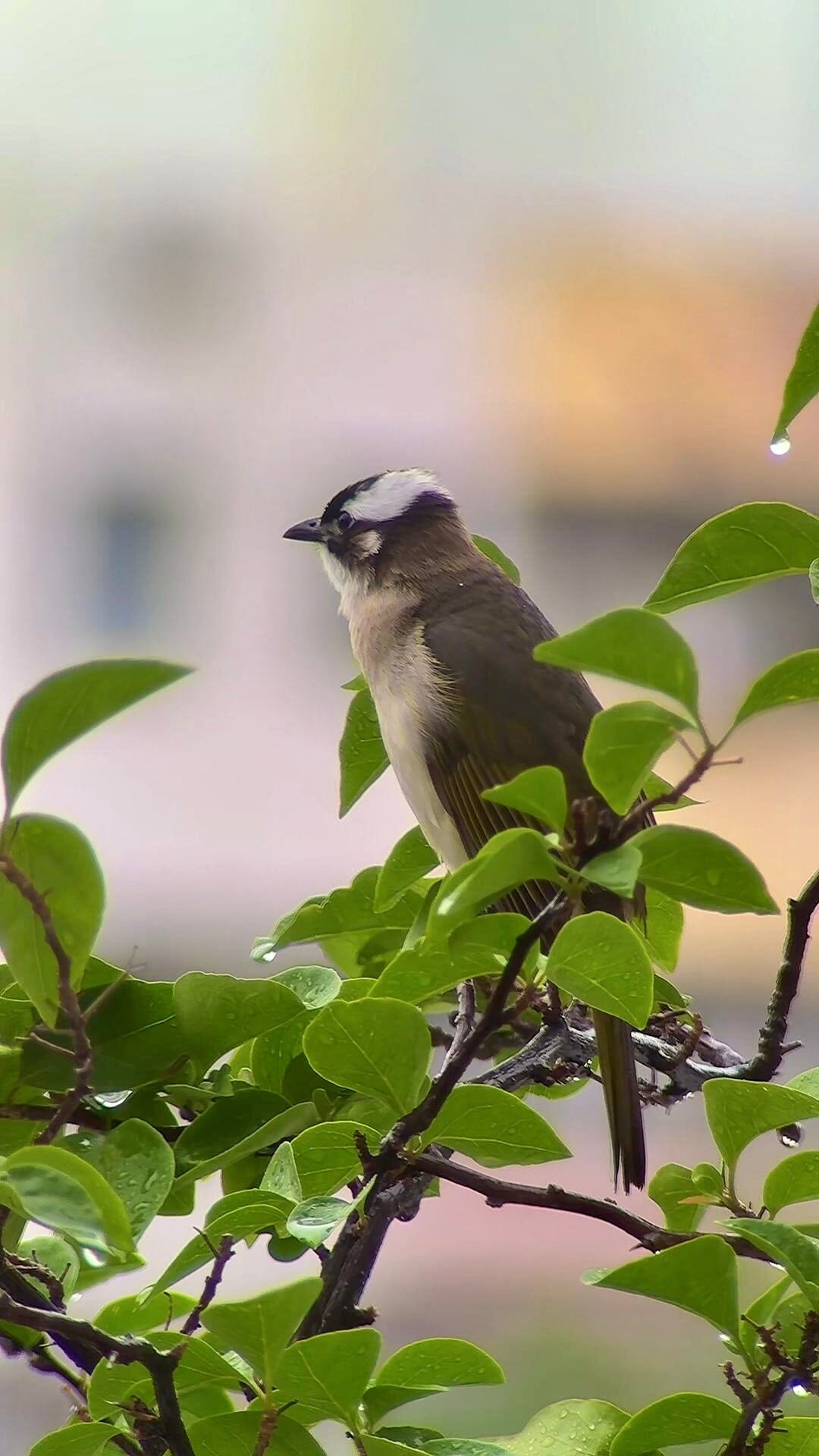
Bird photography blends patience, timing, and the right gear — but you don’t need a professional camera to get started. Thanks to high-quality mobile add-on lenses, beginners can now capture clear, detailed images of birds using only their smartphones. If you’re new to birdwatching or bird photography, this guide will help you make the most of your mobile setup and improve your results immediately.
Why Use Add-On Lenses for Bird Photography?
Smartphones are powerful, but their built-in digital zoom often reduces image quality. Add-on lenses solve this by giving you:
- Better optical zoom (without pixel loss)
- Sharper images at long distances
- More control over composition
- Close-up detail for small birds
- Portability that DSLR setups can’t match
For beginners, this means you can start birding with a lightweight, affordable kit that fits in your pocket.
Choose the Right Mobile Lens for Bird Photography
Different lenses serve different purposes. Here are the best ones for birding:
Telephoto Lens (Essential)
A 60mm or 100mm telephoto lens gives you clean optical zoom to capture birds from a distance without scaring them away.
Best for:
- Birds perched on trees
- Flight shots
- Medium-distance subjects
Zoom Lens / Scope-Style Lens
Some add-on lenses offer 6x–18x zoom, working like a mini spotting scope for your phone.
Best for:
- Small, distant birds
- Waterfowl
- Birds in open fields or lakes
Macro Lens (for feathers and details)
Not for distant shots, but excellent for photographing feathers, textures, and bird photography accessories up close.
Use a Tripod for Maximum Stability
Bird photography requires a steady camera — any shake can blur details.
Why stability matters:
- Telephoto and zoom lenses magnify even small movements
- Birds are fast, so your camera needs to stay still
- Morning or evening light often requires slower shutter speeds
Beginner tip:
Use a lightweight tripod + phone clamp to keep your shots sharp. If you don’t have one, brace your elbows against your body or a stable surface.
Get Your Light Right
Lighting can make or break bird photos.
Best times to shoot:
Golden hour (early morning & late afternoon)
Softer light, better colors, active birds.
Avoid midday:
- Harsh shadows
- Overexposure
- Washed-out feathers
Pro tip:
Position the sun behind you, so the bird is evenly lit.
Use Burst Mode to Capture Fast Movement
Birds rarely sit still. Burst mode increases your chances of catching the perfect moment.
How to use burst mode effectively:
- Hold your phone steady
- Aim at predicted movement (e.g., branch edge)
- Capture multiple frames and choose the sharpest later
Add-on telephoto lenses work extremely well with burst mode, especially when birds take off.
Focus on the Eyes
Whether you're using a phone or DSLR, one rule is universal:
Sharp eyes = great bird photo.
Tap your screen to focus on the bird’s eye. If the eye is crisp, the entire image feels alive.
Get Closer Without Scaring Birds Away
Beginners often make the mistake of walking too close. Birds are alert and will fly off quickly.
Tips for ethical, respectful approach:
- Move slowly
- Wear neutral clothing
- Stay low and quiet
- Use trees or bushes as cover
- Let your telephoto lens do the zooming instead of your feet
Learn Your Birds’ Behavior
Understanding where and when birds appear will help you capture better photos.
Useful beginner tips:
- Birds are most active at dawn
- Water birds prefer calm, open areas
- Woodland birds perch on branches after feeding
- Migratory birds follow seasonal patterns
The more you observe, the more predictable their movement becomes.
Clean Your Lens — Both Phone and Add-On Lenses
A simple wipe with microfiber cloth can dramatically improve clarity.
Dust, fingerprints, and fog affect mobile lenses more than DSLR lenses.
Edit Your Photos for a Natural Finish
Even small adjustments can make your bird photos stand out.
Basic edits:
- Increase sharpness and texture
- Adjust white balance for natural feather colors
- Crop for better composition
- Slightly enhance contrast
Keep edits natural to maintain authenticity.
Practice Patience — Birding Is a Waiting Game
Great bird photos don’t happen instantly. The combination of the right moment, good lighting, and bird behavior takes time. Bring warm clothes, water, and enjoy the process.
Final Thoughts
With a mobile phone and a good add-on lens, any beginner can start capturing beautiful bird photos — without the cost or complexity of professional gear. Telephoto lenses, tripods, proper lighting, and patience are the keys to success.
Whether you’re exploring your backyard or visiting a local park, these simple tips will help you improve your bird photography immediately.
Share:
Astrophotography Tips Using Add-On Lenses for Mobile Phones
How to Take Wildlife Photos Using Only Your Phone + Telephoto Lens